
Planning Your 2027 Pigging & ILI Program: 5 Ways to Build Remote Tracking Into the Plan
A successful pigging or inline inspection (ILI) program starts well before the tool enters the pipeline. Pipeline conditions, tool requirements, site access, personnel, equipment, scheduling, and communication all influence how efficiently an inspection is carried out.
For pipeline operators planning their 2027 programs, pig tracking deserves consideration early in the process. Choosing between traditional field tracking, temporary remote tracking, and permanent tracking infrastructure can affect everything from personnel requirements and mobilization costs to operational visibility and coordination. The right approach depends on the pipeline, the inspection objectives, and the work planned throughout the year.
Here are five considerations to help operators build a tracking strategy that supports their broader pigging and pipeline integrity programs:
1. Review the Pipeline Before Selecting the Tracking Approach
Start with the line, not the technology. Pipeline length, configuration, site access, historical tracking locations, expected tool speed, product, facilities, and inspection objectives all influence where and how a tool should be tracked.
For turnkey ILI projects, In-Line Pigging Solutions (ILPS) evaluates tracking as part of the broader operation. This includes consultation, site assessments, operational planning, scheduling, GIS pre-layout, tracking-point planning, and pipeline assessment before field execution begins. For operators, making these decisions early creates more options. Experienced field personnel may be essential at certain locations, while remote tracking can reduce the need for personnel at others. Frequently used tracking points may also be candidates for permanent infrastructure.
The objective isn't to replace traditional tracking everywhere. It's to determine which approach makes the most operational and financial sense for each location.
2. Identify High-Value Locations for Remote Tracking
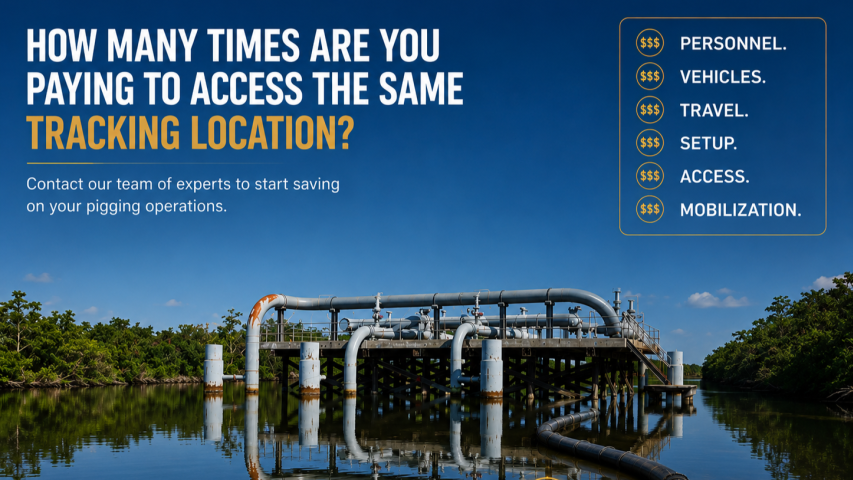
Not every tracking location requires the same level of field support or technology. Remote tracking can be particularly valuable at locations where access is difficult, travel distances are significant, or repeated site visits create additional costs and coordination requirements. For Canadian pipeline operations, especially across extensive networks in Alberta and Saskatchewan, travel time, seasonal access, and the distance between facilities can all influence how tracking resources are deployed. Identifying these locations during the planning stage allows operators to build a tracking layout around the pipeline's actual requirements rather than making deployment decisions immediately before execution. For recurring programs, operators should also consider whether permanent remote tracking could reduce repeat mobilizations and equipment setup across future runs.
The goal is to maintain reliable tool passage detection and operational visibility while making better use of field personnel and equipment.
3. Plan How Tracking Information Will Be Shared
Knowing where a pig or ILI tool is located is important. Making that information available to the people who need it is equally important. Before an inspection begins, operators should establish who requires tracking updates, how information will be communicated, and what happens when operating conditions change. Field technicians, project managers, control room personnel, and inspection providers may all rely on tracking information, but their requirements aren't necessarily the same.
ILPS combines field tracking expertise with remote tracking technology and a centralized web-based platform, providing stakeholders with visibility into tool passages, location information, and available speed data. When communication expectations are established before the run, teams can reduce repetitive manual updates, improve coordination between the field and control room, and respond more effectively when adjustments are required.
A tracking plan should account for more than where equipment will be placed. It should also define how the information will support the operation.
4. Look at the Entire Year's Pigging Schedule
Planning one run at a time can overlook opportunities that become much clearer when operators review the full annual program. Consider a pipeline scheduled for multiple cleaning, maintenance, batching, or ILI runs throughout the year. If the same tracking locations are used repeatedly, mobilizing personnel and temporary equipment for every run may introduce avoidable costs and coordination requirements. Reviewing the annual schedule early gives operators an opportunity to evaluate whether temporary remote tracking equipment can be used across multiple projects or whether permanent tracking infrastructure would provide greater long-term value. This is particularly relevant for operators managing recurring inspection and maintenance programs across multiple pipeline segments or facilities.
Rather than asking: "How should we track this run?"
Instead ask: " What tracking approach best supports the work planned on this pipeline throughout the year?"
That shift in perspective can lead to more consistent tracking strategies, better equipment utilization, and fewer repeated field requirements.
5. Bring Tracking and Technical Expertise In Early
Technology is most effective when it's supported by people who understand how pigging and ILI operations unfold in the field. ILPS has managed thousands of smart-tool inspection programs across North America, supporting gas, oil, and liquid pipelines. That experience includes tracking-point layouts, pipeline assessments, launching and receiving, flow and pressure monitoring, tool-speed control, communications, and field coordination. These activities are closely connected. A change in operating conditions, an access limitation, or an unexpected issue at a launcher or receiver can affect more than the tracking plan.
Successful pigging and ILI programs may also require field surveys, specialized equipment, mechanical services, inspection coordination, and engineering analysis. Through ILPS and our sister company, In-Line Integrity Solutions (ILIS), operators can access field and engineering expertise across these activities, including support for inspection planning, integrity assessment, and repair planning.
Involving the right teams early helps identify potential challenges before mobilization, clarify responsibilities, and ensure the tracking strategy supports the requirements of the entire operation. The more that can be addressed during planning, the fewer decisions need to be made under pressure in the field.
Start Planning Your 2027 Pigging & ILI Program Before Mobilization
Remote pig tracking works best when it's considered alongside the broader requirements of a pigging or inline inspection program. Pipeline conditions, critical tracking locations, communication requirements, annual inspection schedules, and available field resources all influence which tracking approach makes sense. For some projects, traditional tracking will remain the right choice. Others may benefit from remote tracking, permanent installations, or a combination of approaches.
ILPS supports Canadian pipeline operators with traditional, temporary remote, and permanent pig tracking as part of a broader range of pipeline maintenance and integrity services. From early planning and field surveys to specialized equipment, mechanical support, ILI coordination, and engineering analysis through ILIS, our teams help operators connect the different stages of their integrity programs.
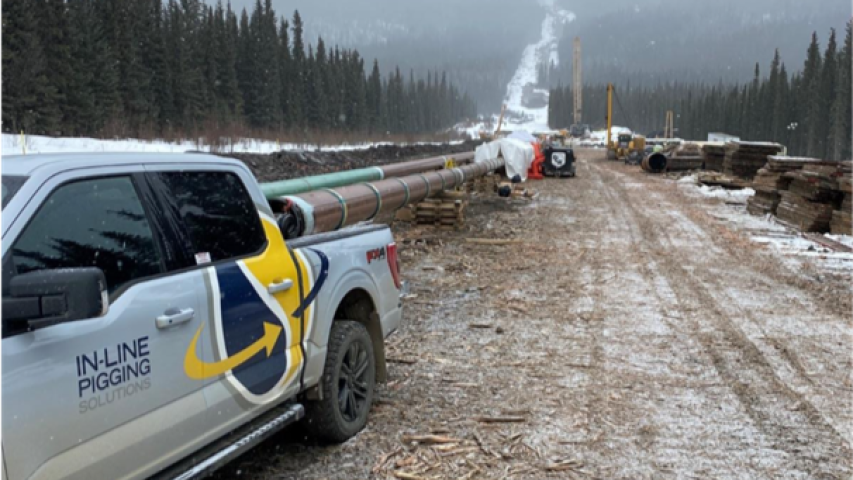
With Canadian operations based in Calgary, Alberta, and Regina, Saskatchewan, ILPS provides local field support backed by more than 20 years of pipeline industry experience and a broader North American service network.
Planning pigging or ILI work for 2027? Connect with ILPS early to discuss your upcoming inspection schedule, tracking requirements, and the field services needed to support a successful run. Contact In-Line Pigging Solutions